


 GO TO BOTTOM
 Viruses, including the kind that causes the common cold Bacteria Irritants such as shampoos, dirt, smoke, and pool chlorinebr> A reaction to eyedrops An allergic reaction to things like pollen, dust, or smoke. Or it could be due to a special type of allergy that affects some people who wear contact lenses. Fungi, amoebas, and parasites Viral strains are the most common -- and may be the most contagious -- forms. They tend to start in one eye, where they cause lots of tears and a watery discharge. Within a few days, the other eye gets involved. You might feel a swollen lymph node in front of your ear or under your jawbone. Bacterial strains usually infect one eye but can show up in both. Your eye will put out a lot of pus and mucus. Allergic types produce tearing, itching, and redness in both eyes. You might also have an itchy, runny nose. Ophthalmia neonatorum is a severe form that affects newborns. It can be caused by dangerous bacteria. Get it treated right away to prevent permanent eye damage or blindness. Giant papillary conjunctivitis is linked with the long-term use of contacts or an artificial eye (ocular prosthesis). Doctors think it’s an allergic reaction to a chronic foreign body in your eye.
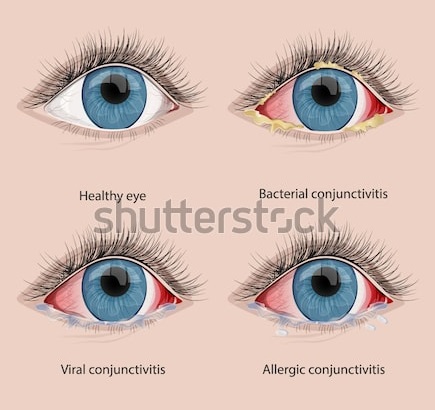 Redness in the white of the eye or inner eyelid Swollen conjunctiva More tears than usual Thick yellow discharge that crusts over the eyelashes, especially after sleep. It can make your eyelids stick shut when you wake up. Green or white discharge from the eye Itchy eyes Burning eyes Blurred vision More sensitive to light Swollen lymph nodes (often from a viral infection) There’s a lot of yellow or green discharge from your eye, or if your eyelids are stuck together in the morning You have severe pain in your eye when you look into a bright light Your vision is obviously affected by pinkeye You have a high fever, shaking chills, face pain, or vision loss. (These are very unlikely symptoms.) Call your doctor right away if your newborn has pinkeye, as it could permanently harm their vision. Your eye doctor may tell you to come into the office to be seen immediately. If you can’t reach your eye doctor, call your primary care doctor if the pinkeye is mild in an adult Is my pinkeye contagious? If it’s contagious, how do I avoid spreading it? Do I need to stay home from work or school? Viruses. This type of pinkeye often results from the viruses that cause a common cold. Just as a cold must run its course, the same is true for this form of pinkeye, which usually lasts from 4 to 7 days. Remember, it can be very contagious, so do everything you can to prevent its spread. Antibiotics will not help anything caused by a virus. Bacteria. If bacteria, including those related to STDs, caused your pinkeye, you’ll take antibiotics in the form of eyedrops, ointments, or pills. You may need to apply eyedrops or ointments to the inside of your eyelid 3 to 4 times a day for 5 to 7 days. You would take pills for several days. The infection should improve within a week. Take or use the medicines as instructed by your doctor, even if the symptoms go away. Irritants. For pinkeye caused by an irritating substance, use water to wash the substance from the eye for 5 minutes. Your eyes should begin to improve within 4 hours. If your conjunctivitis was caused by acid or alkaline material such as bleach, immediately rinse the eyes with lots of water and call your doctor right away. Keep your eyes clean. Wash any discharge from your eyes several times a day using a fresh cotton ball or paper towel. Afterward, discard the cotton ball or paper towel and wash your hands with soap and warm water. Wash or change your pillowcase every day until the infection goes away. When you do the laundry, clean your bed linens, pillowcases, and towels in hot water and detergent. Keep your own towels, washcloths, and pillows separate from others, or use paper towels. Don ’t touch or rub your infected eye with your fingers. Use tissues to wipe. Don ’t wear, and never share, eye makeup, eyedrops, or contact lenses. Wear glasses. And throw away disposable lenses, or be sure to clean extended-wear lenses and all eyewear cases. Use a warm compress, such as a washcloth soaked in warm water. Put it on your eye for a few minutes, 3 to 4 times a day. This eases the pain and helps break up some of the crust that may form on your eyelashes. Limit eyedrops. Don’t use them for more than a few days unless your eye doctor tells you to. It could make the redness worse. Don’t put a patch over your eye. It may worsen the infection. Protect your eyes from dirt and other things that irritate them.
 FACEBOOK PAGE
  Time and Date: 09/19/26

 Now Online: 1
 Your IP: 216.73.217.126
 Daily Visit: 1
Monthly Monitoring: 2
Daily Visit: 1
Monthly Monitoring: 2
 Total Visitor: 89
 Subscribers: 2
 Members: 0
 Guestbook: 1
 GO TO TOP
 Home
Home Admin Only

