pacman, rainbows, and roller s


* GO TO BOTTOM

Home Info Files Tutorials Comments Droid Admin Only


Measles (Rubeola)

by: Bjhay Olimpo (Admin)


mylogo

Definition (WHO)


Measles is a highly contagious viral disease. It remains an important cause of death among young children globally, despite the availability of a safe and effective vaccine.

Under the Global Vaccine Action Plan, measles and rubella are targeted for elimination in five WHO Regions by 2020. WHO is the lead technical agency responsible for coordination of immunization and surveillance activities supporting all countries to achieve this goal.

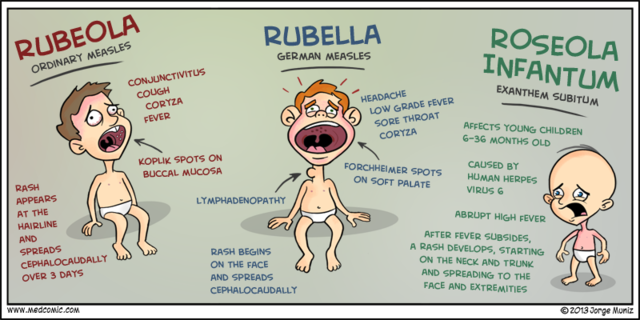
Measles is transmitted via droplets from the nose, mouth or throat of infected persons. Initial symptoms, which usually appear 10–12 days after infection, include high fever, a runny nose, bloodshot eyes, and tiny white spots on the inside of the mouth. Several days later, a rash develops, starting on the face and upper neck and gradually spreading downwards.

Severe measles is more likely among poorly nourished young children, especially those with insufficient vitamin A, or whose immune systems have been weakened by HIV/AIDS or other diseases. The most serious complications include blindness, encephalitis (an infection that causes brain swelling), severe diarrhoea and related dehydration, and severe respiratory infections such as pneumonia.

Routine measles vaccination for children, combined with mass immunization campaigns in countries with low routine coverage, are key public health strategies to reduce global measles deaths.

While global measles deaths have decreased by 84 percent worldwide in recent years — from 550,100 deaths in 2000 to 89,780 in 2016 — measles is still common in many developing countries, particularly in parts of Africa and Asia. An estimated 7 million people were affected by measles in 2016. The overwhelming majority (more than 95%) of measles deaths occur in countries with low per capita incomes and weak health infrastructures.

The measles vaccine has been in use since the 1960s. It is safe, effective and inexpensive. WHO recommends immunization for all susceptible children and adults for whom measles vaccination is not contraindicated. Reaching all children with 2 doses of measles vaccine, either alone, or in a measles-rubella (MR), measles-mumps-rubella (MMR), or measles-mumps-rubella-varicella (MMRV) combination, should be the standard for all national immunization programmes.

Reference: https://www.who.int/immunization/diseases/measles/en/

Signs and Symptoms (CDC)


The symptoms of measles generally appear about seven to 14 days after a person is infected.

Measles typically begins with

high fever

cough

runny nose (coryza)

red, watery eyes (conjunctivitis).

sore throat

light sensitivity

muscle aches
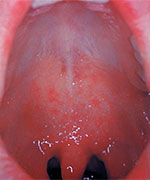
Two or three days after symptoms begin, tiny white spots (Koplik spots) may appear inside the mouth.

Koplik Spots


mylogo

Mouth of a patient with Koplik spots, an early sign of measles infection.

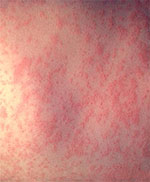
Measles Rash


mylogo

Skin of a patient after 3 days of measles infection.

A widespread skin rash is a classic sign of measles. This rash can last up to seven days and generally appears within the first three to five days of exposure to the virus.

A measles rash, which appears as red, itchy bumps, commonly develops on the head and slowly spreads to other parts of the body.

Reference: https://www.cdc.gov/measles/about/signs-symptoms.html

Risk for Measles


The number of measles cases in the United States has significantly dropped in recent decades due to immunizations. However, the disease has not been completely eliminated. In fact, there were 189 cases of measles in 2015, according to the Centers for Disease Control and Prevention (CDC).

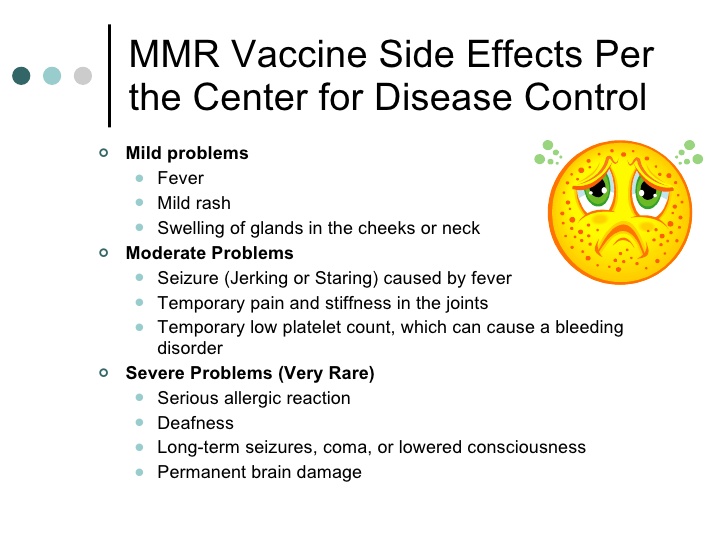
Measles primarily occurs in unvaccinated children. Some parents choose not to vaccinate their children for fear that vaccines will have adverse effects on their children. Most children and adults who receive a measles vaccine do not experience side effects.

But in rare cases, the vaccine has been linked to seizures, deafness, brain damage, and coma. It is important to note that these serious side effects from the measles vaccine occur in less than 1 out of every million doses of the vaccine given.

Some parents believe that the measles vaccine can cause autism in children. However, numerous studies have proven that there is no link between autism and immunizations.

A vitamin A deficiency is also a risk factor for measles. Children with too little vitamin A in their diets have a higher risk of catching the virus.

Diagnosis


Your doctor can confirm measles by examining your skin rash and checking for symptoms that are characteristic of the disease, such as white spots in the mouth, fever, cough, and sore throat.

If they are unable to confirm a diagnosis based on observation, your doctor may order a blood test to check for the measles virus.

Treatment


There is no prescription medication to treat measles. The virus and symptoms typically disappear within two to three weeks. However, your doctor may recommend:

acetaminophen to relieve fever and muscle aches

rest to help boost your immune system

plenty of fluids (six to eight glasses of water a day)

humidifier to ease a cough and sore throat

vitamin A supplements

Complications associated with measles


It is important to receive a measles vaccine because measles can lead to life-threatening complications, such as pneumonia and inflammation of the brain (encephalitis).

Other complications associated with measles may include:

ear infection

bronchitis

miscarriage or preterm labor

decrease in blood platelets

blindness

severe diarrhea
Measles outlook


Measles has a low death rate in healthy children and adults, and most people who contract the measles virus recover fully. The risk of complications is higher in children and adults with a weak immune system.

You cannot get measles more than once. After you’ve had the virus, you are immune for life.

mylogo

Prevention


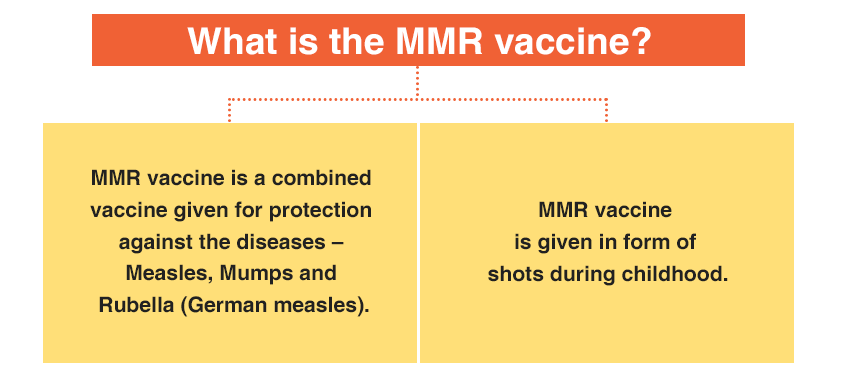
Immunizations can help prevent a measles outbreak. The MMR vaccine is a three-in-one vaccination that can protect you and your children from the measles, mumps, and rubella (German measles).

Children can receive their first MMR vaccination at 12 months, or sooner if traveling internationally, and their second dose between the ages of 4 and 6. Adults who have never received an immunization can request the vaccine from their doctor.

If you or a family member contracts the measles virus, limit interaction with others. This includes staying home from school or work and avoiding social activities.

mylogo

Side effects of the vaccine


Most people experience no side effects from the vaccine. About 15 percent of people develop a fever between seven and 12 days after the vaccination, and about 5 percent of people develop a mild rash. Some teens and adult women experience temporary joint pain or stiffness after receiving the vaccine. Fewer than 1 out of 1 million doses causes a serious allergic reaction.

In recent years, as the number of children diagnosed with autism has risen — without a clear explanation — widespread concerns have been raised about a possible link between the MMR vaccine and autism. However, extensive reports from the American Academy of Pediatrics, the National Academy of Medicine and the CDC conclude that there is no scientifically proven link between the MMR vaccine and autism. In addition, there is no scientific benefit to separating the vaccines.

These organizations note that autism is often identified in toddlers between the ages of 18 and 30 months, which happens to be about the time children are given their first MMR vaccine. But this coincidence in timing typically shouldn't be mistaken for a cause-and-effect relationship.

Reference: https://www.healthline.com/health/measles#prevention

FACEBOOK PAGE

Time and Date: 06/13/26
Your Country:
Your Browser: Mozilla
Now Online: 1
Your IP: 216.73.216.104
Daily Visit: 1
Monthly Monitoring: 2
Total Visitor: 84
Subscribers: 2
Members: 0
Guestbook: 1

Text Me thru SMS

* GO TO TOP